


March in New England lasts forever. Winter slowly moves into Spring, but it really isn’t until May that Mother Nature allows us to start experiencing days of some consistent warmth. It isn’t until June that the weather really turns better and the breeze changes from chilly to warm.
After apple season in October, fresh fruit is gone and the great wait starts until May & June when early crops like lettuce, asparagus & strawberries are ready. My husband Matt & I love berries and usually have some in our fridge. Apart from when berries in the middle of the winter start costing $20.00 per pint (a bit of an exaggeration but you get my drift), look like they have seen better days and taste like paste. When this happens, we turn to citrus. I love the sweetly exotic and zesty smell of oranges and find they are so versatile. Other than simply enjoying them on their own, oranges work in many desserts, in salads, with vegetables, with pork, chicken, beef, shrimp, and fish.
Originating in India, Myanmar and China, through history on trade routes they slowly traveled from these regions to other areas of the world. It is now the most cultivated fruit on our planet. Historians believe the orange was brought to Italy by the Arabs around 840AD. The first written mention of the sweet orange in Europe comes from the Italian city of Savona in 1471. Even Christopher Columbus liked oranges as he took seeds of sweet oranges across to the New World in his overseas survival kits.
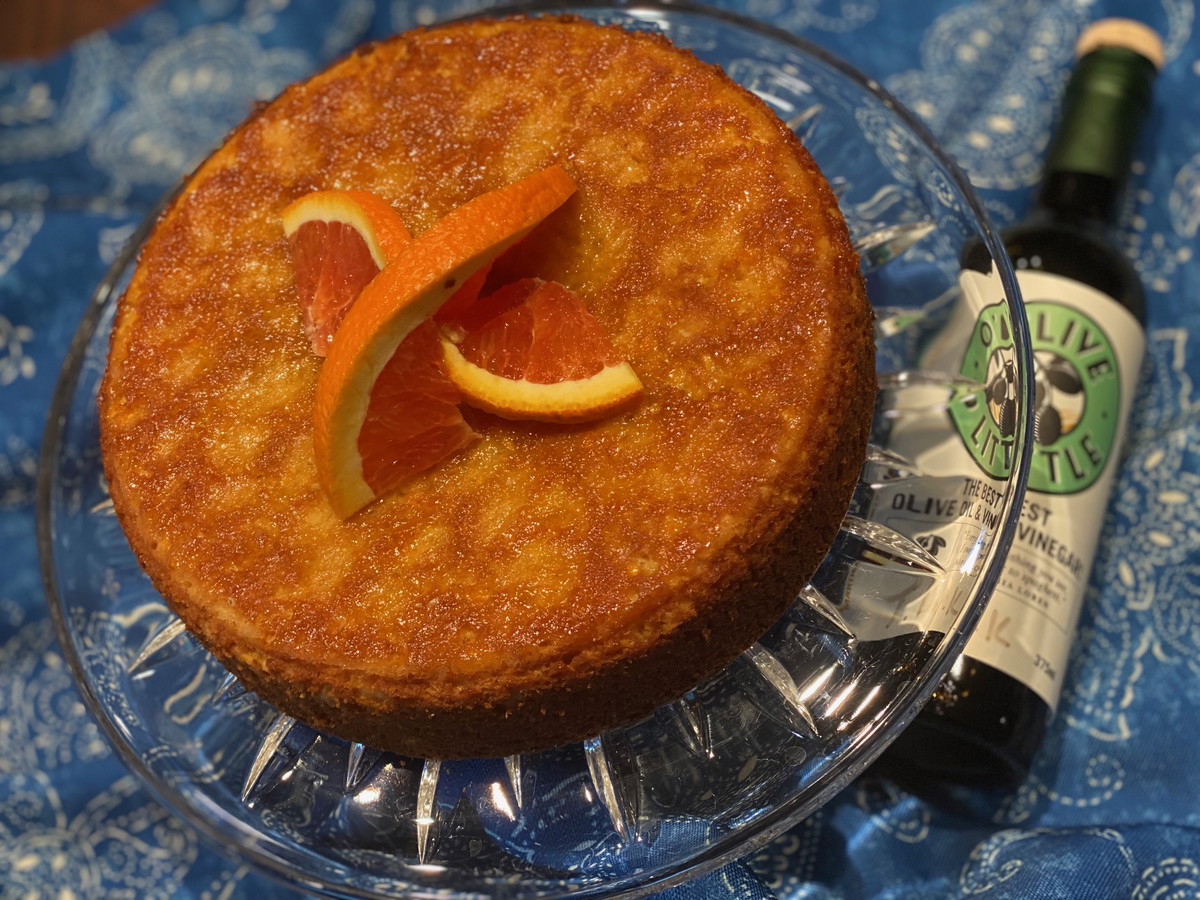
Italian cooks have had centuries to perfect their use of the orange in their cuisine. Their cookies and cakes make delicious use of them. For good reason, there are numerous recipes for one of the most popular recipes, Pan D'Arancio or Orange Cake… it is delicious! The major differences with many Italian Orange cake recipes are the use of a whole orange. If you like orange marmalade, you will love this cake!
Sicilian Olive Oil & Whole Orange Cake
Jennifer Ostrowski
8-12
30 minutes
50-60 minutes
Italian
Desserts
You can experiment with different types of oranges to find the one that works best for your taste buds. Really any sweet orange will do. But, if you can get your hands on some fresh Florida oranges the cake will be even more delicious. You can also try blood oranges. Blood oranges are all over Sicily and whole orange cakes there are popular. For this recipe I used a large Cara Cara orange. Also, if dessert isn't dessert for you or someone you love without chocolate, you could add some chocolate chips to the batter and/or make some chocolate sauce to serve on the side. Enjoy!
Ingredients
FOR THE CAKE:
- 3 eggs
- 2 teaspoons vanilla extract
- 1 cup sugar
- 1 3/4 cups all purpose flour, sifted
- 2 1/2 teaspoons baking powder
- 1/3 cup O'Live A Little's Blood Orange Extra Virgin Olive Oil
- 1/3 cup plain Greek yogurt (not nonfat or low fat)
- 1 large juice orange, washed and cut into pieces small enough to be processed in a food processor
FOR THE GLAZE
- Juice and zest from one orange
- 1/3 cup of sugar
Directions
Preheat oven to 350 degrees
Process the orange in a food processor or Vit-a-mix until it is almost purred.
Using an electric mixer, combine in mixing bowl sugar and eggs and whisk until light and fluffy, approx. 5 mins.
Add the olive oil and yogurt to a separate mixing bowl and add the flour and baking soda and mix until well combined
Stir the orange and vanilla into the cake batter
Add the sugar and egg mixture to the batter in 3 additions. Folding the sugar and eggs into the batter being careful to keep their fluffiness in tact.
Bake for 50-60 minutes. Start checking for doneness with cake tester at approx. 40 min. Cake is done when the tester comes out of the batter clean. Allow to cool for 20 mins and remove from pan and flip over onto cooling rack so top is now the bottom. Glaze top and sides
TO MAKE THE GLAZE
Combine the sugar, orange juice and zest in a small saucepan and cook until it has thickened to a syrup.
After cake has cooled, removed from pan, invert cake and using a pastry brush, coat top and side of cake with syrup (there will be some left over).
This cake is excellent with a dollop of whipped cream and coffee or tea


